

If you are ready to start your genealogy journey, this beginner-friendly guide will walk you through the essential first steps of researching your family history without feeling overwhelmed.
Start With What You Know
The easiest place to begin researching your family history is with information that is already within reach. Start by gathering names, birthdates, marriage dates, places of birth, and any family stories you have heard over the years.
Talk with parents, grandparents, aunts, uncles, and cousins. Ask open-ended questions about their childhood, their parents, and their grandparents. Many families have valuable documents tucked away in boxes, including birth certificates, marriage licenses, military papers, old letters, photographs, and family Bible records. These items often contain details that cannot be found anywhere else.
Even small clues can lead to major discoveries. A town name, a nickname, or a mention of a family tradition could point you toward specific records or archives. Write everything down in one organized location, whether that is a notebook, spreadsheet, or genealogy software. Staying organized from the beginning will save you countless hours later.
Build a Family Tree
Once you have some basic information, it’s time to start putting it all together. Creating a family tree helps you visualize relationships and identify gaps in your knowledge. You can use online tools like Ancestry, FamilySearch, or MyHeritage, or simply sketch your tree on paper.
Add as much detail as possible for each family member, including parents, siblings, birth and death dates, and marriage information. Remember, your family tree is a living document, it grows and changes as you discover new facts and connect with relatives.
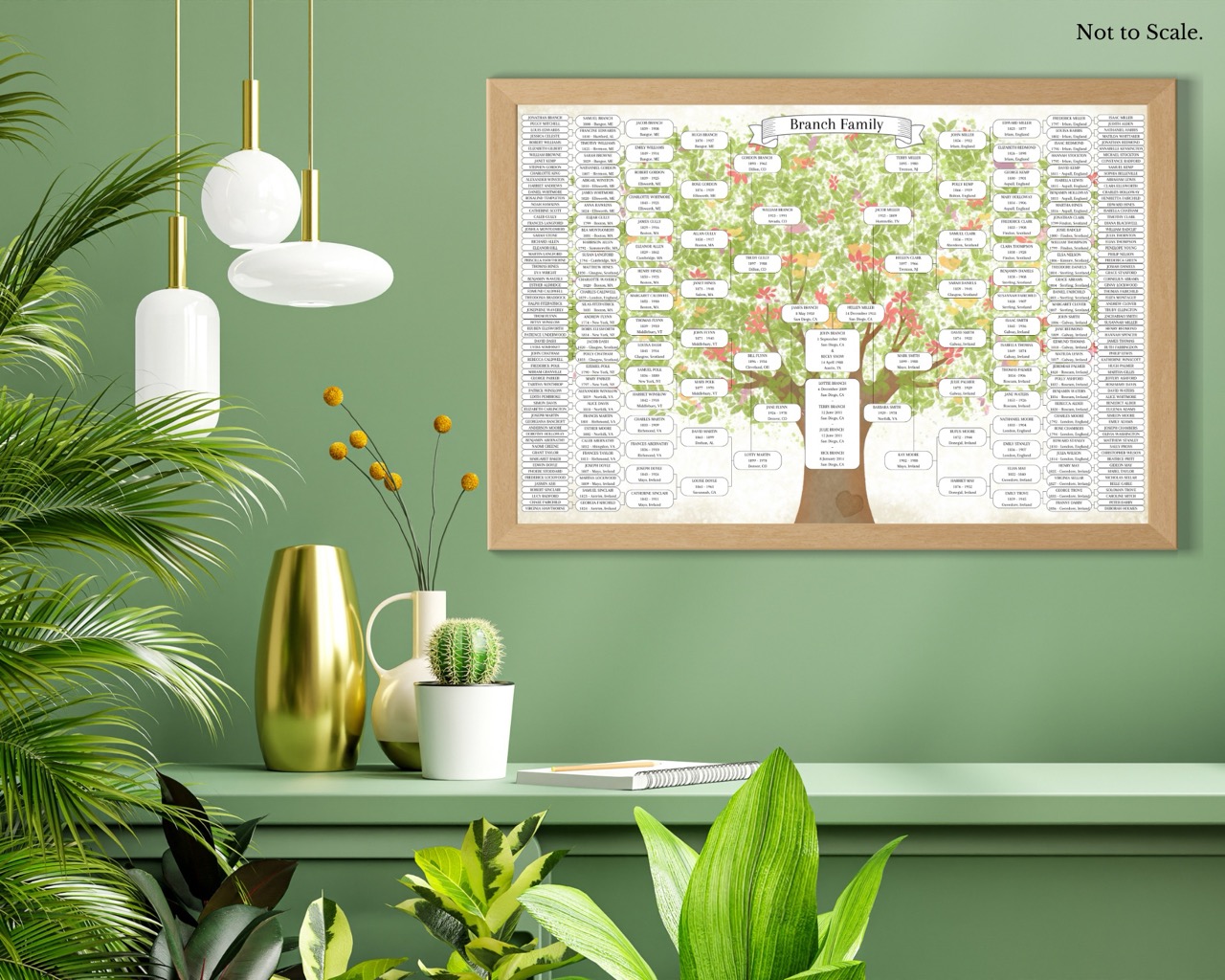
For those who want a more decorative approach, the printable family tree chart templates allow you to create a visual record of your ancestry that doubles as a beautiful display for your home. Available in sizes ranging from a simple 4 generation chart all the way up to a sprawling 7 generation descendant layout, there is an option for every family.
Research Online Records
Once your basic tree is built, it is time to expand your research using historical records. Online genealogy databases are powerful tools that give you access to millions of digitized documents.
Websites like FamilySearch offer free access to census records, birth certificates, marriage records, and more. Subscription services like Ancestry and MyHeritage provide additional collections, including immigration records, military records, and newspaper archives.
When searching online, try multiple spellings of surnames. Spelling variations were common in historical records. If you cannot find an ancestor immediately, adjust your search terms and look for alternative spellings or shortened versions of names.
Be patient and take your time reviewing documents. It is important to verify that each record truly belongs to your ancestor before adding it to your tree.


Visit Local Libraries and Archives
Not every historical record is available online. Local libraries, historical societies, and county archives often hold valuable materials that have not yet been digitized.
You may find old newspapers, city directories, cemetery records, land deeds, or probate files that provide deeper insight into your ancestors’ lives. Librarians and archivists are often incredibly helpful and can guide you toward resources you may not have considered.
If you cannot visit in person, many institutions now offer digital collections or remote research assistance. Check their websites to see what resources are available. The genealogy link directory is a good place to find trusted institutions and online archives to explore.
Join a Genealogy Community
Genealogy research can sometimes feel challenging, especially when you encounter missing records or confusing information. Joining a genealogy group can provide encouragement and helpful advice.
Online communities, such as the genealogy forums on Reddit or Facebook genealogy groups such as the Genealogy Squad, allow you to ask questions and learn from experienced researchers. Local genealogy societies also host workshops and educational events.
Connecting with other family historians can introduce you to new research strategies and tools. It also makes the journey more enjoyable when you can share discoveries with others who understand the excitement. The genealogy publications page is also a great resource for books and guides that can deepen your research skills.
Stay Organized and Document Sources
As your research grows, organization becomes increasingly important. Always record where you found each piece of information. Include the website, archive name, record type, and date accessed.
Documenting sources ensures your family tree remains accurate and credible. It also allows you or other family members to retrace your steps in the future.
Using folders, digital storage systems, stickie notes, PDF charts or genealogy software can help keep documents and notes organized. A little organization early on prevents confusion later. For more detailed advice on getting your records ready, the guide on preparing your family data covers everything you need to know.
Turn Your Research into Something Meaningful
Researching your family history is incredibly rewarding, but it becomes even more special when you share it. Consider turning your findings into a printable family tree poster that you can frame or gift to relatives.
A visual family tree makes your ancestry tangible. It sparks conversations, encourages storytelling, and invites family members to contribute additional information. Whether displayed in your living room or shared at family gatherings, a printed chart celebrates your heritage in a meaningful way. The Canva family tree tutorial makes the design process simple, even if you have never used Canva before.
Be Patient and Enjoy the Journey
Genealogy research takes time. Some answers come quickly, while others require persistence and creativity. You may encounter gaps in records or conflicting information, but each discovery brings you closer to understanding your family’s story.
Celebrate small milestones, like finding a census record or identifying a new great-grandparent. Each piece of information adds depth and color to your family history.
Remember, researching your family history is about more than collecting names and dates. It is about uncovering stories, preserving memories, and connecting generations. With patience, curiosity, and a willingness to explore, you will be amazed at what you can discover.
Start with what you know, build your family tree step by step, and let your family’s story unfold.