
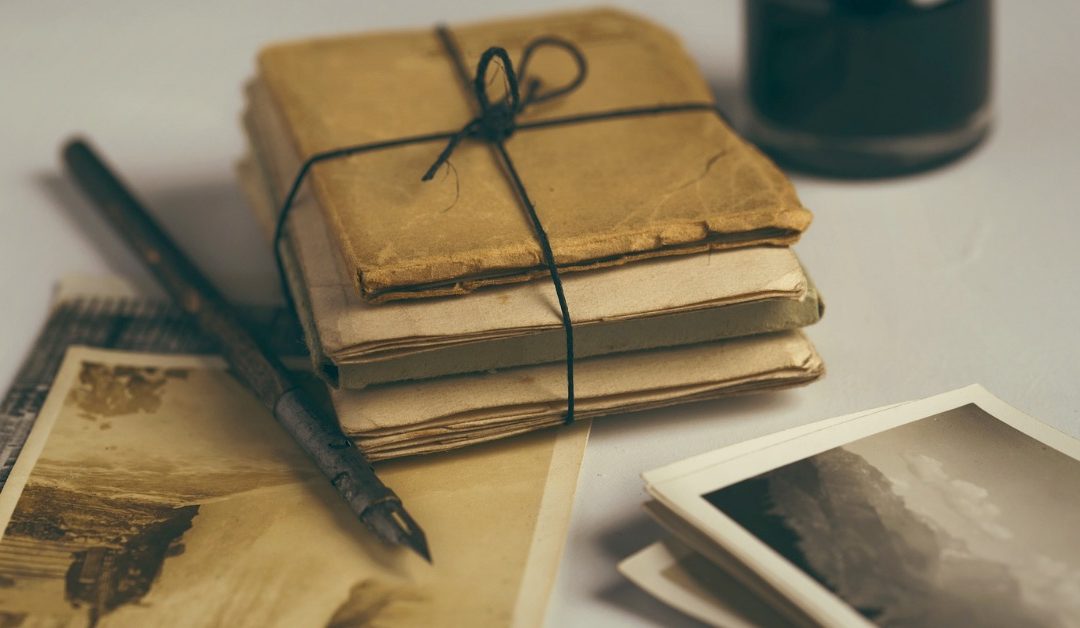
Family history preservation is more than organization. It is about protecting birth certificates, marriage records, military papers, immigration documents, handwritten letters, and irreplaceable photographs from damage caused by time, humidity, light, and improper storage. With the right strategies, you can safeguard your genealogy archive and maintain its integrity for decades to come.
Start With What You Know
Before thinking about archival storage or digitization, begin by gathering everything in one central location. Collect names, birthdates, marriage certificates, places of origin, obituaries, funeral cards, family Bibles, scrapbooks, and old photographs. Many valuable genealogy records are scattered among relatives.
Talk to parents, grandparents, aunts, and uncles to discover what they may have tucked away in drawers or storage boxes. You may uncover handwritten letters, military discharge papers, land deeds, or naturalization documents that have never been digitized or cataloged. Not sure where to start? The guide on how to research family history walks you through the basics step by step.
This step is foundational in genealogy organization. Creating a master inventory list of your documents helps you identify fragile items, prioritize preservation efforts, and prevent accidental loss. It also gives you a clearer picture of what needs archival-quality protection.
Store Items in a Cool Dry Place
Temperature and humidity are the biggest threats to paper preservation. Fluctuating conditions cause paper fibers to weaken and photographs to warp or stick together. Basements and attics are especially risky due to moisture, heat, and seasonal changes.
Instead, store genealogy documents in an interior closet or room where temperature remains relatively stable. Experts recommend keeping paper records around 65 to 70 degrees Fahrenheit with low humidity levels. Consistency matters more than perfection.
For authoritative guidance on historical document preservation, the National Archives provides detailed recommendations on storing and protecting paper materials. Their preservation guidelines are widely respected and applicable to home genealogy collections.
Avoid storing documents directly on the floor, near windows, or against exterior walls where temperature fluctuations are common. Light exposure, especially sunlight, can cause fading and irreversible damage.
Use Archival Quality Storage
One of the most important genealogy preservation tips is upgrading your storage materials. Standard cardboard boxes and plastic sleeves often contain acids and chemicals that slowly degrade paper and photographs over time.
Invest in acid-free folders, lignin-free archival boxes, polyester or Mylar sleeves, and buffered tissue paper for delicate items. Archival quality materials are specifically designed for long-term document preservation. They prevent chemical reactions that lead to yellowing, brittleness, and fading.
If you want museum-level advice for preserving family papers and photographs at home, the Library of Congress offers practical, easy-to-follow guidelines. Their recommendations are especially helpful for protecting fragile photographs and handwritten letters.
Label boxes clearly using pencil or archival-safe pens. Avoid adhesive labels inside storage containers, as adhesives can fail or damage materials over time.
Once your documents are organized and protected, you may also want to explore genealogy publications and books for further research resources.
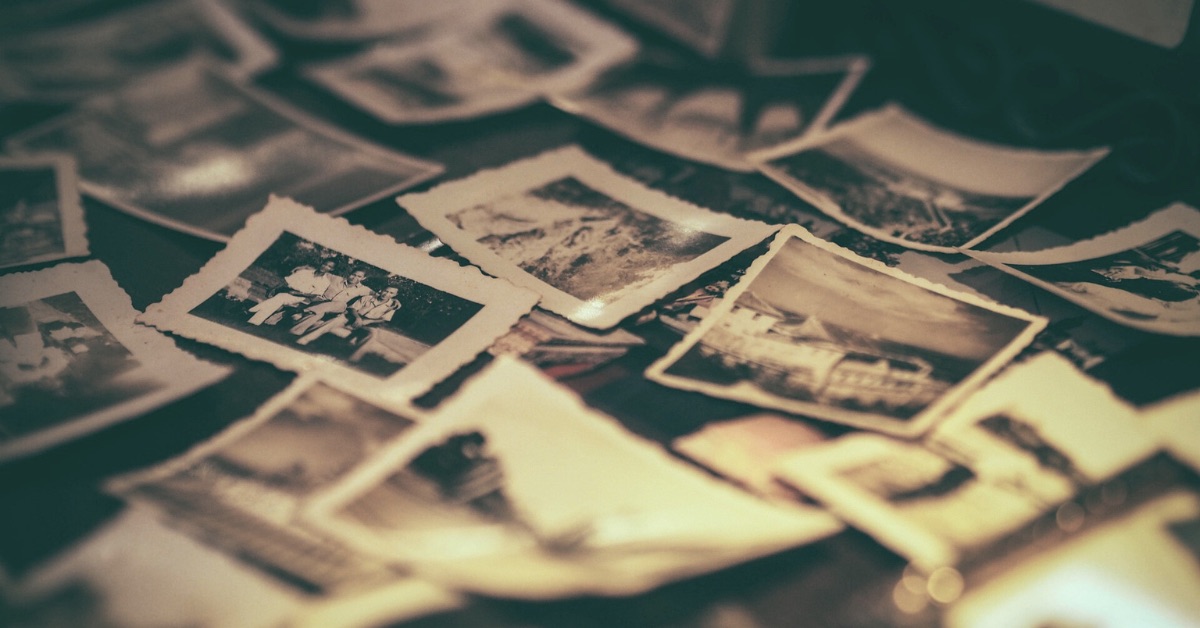
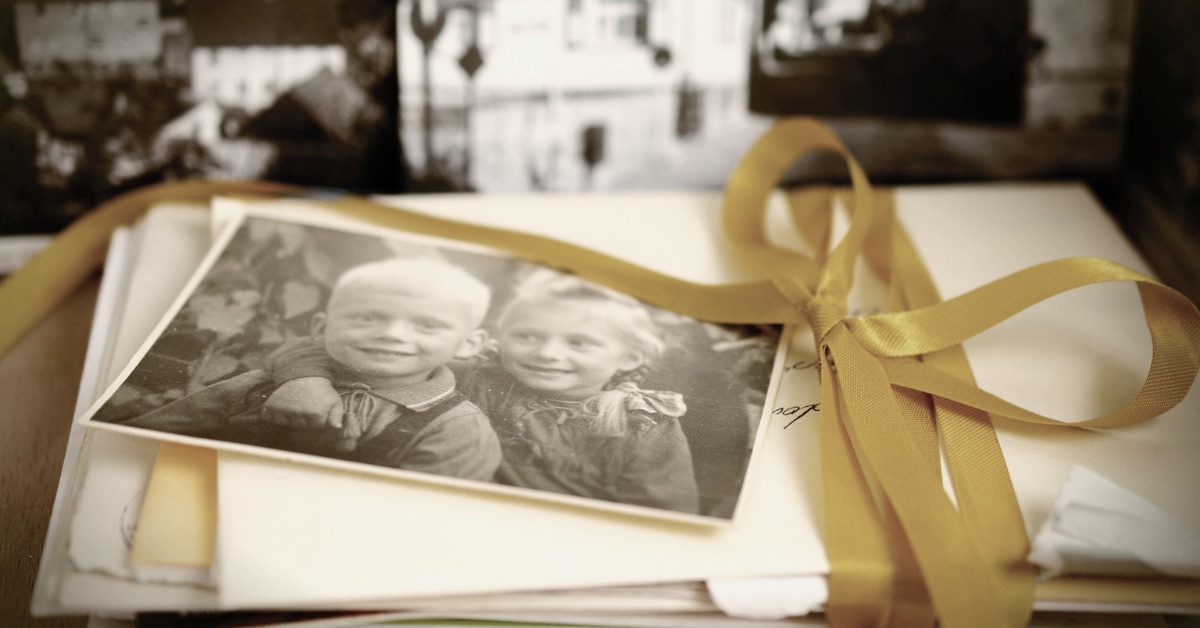
Digitize For Long Term Preservation
Digitizing genealogy documents is one of the smartest and most effective preservation strategies. Scanning records protects against loss from fire, flood, theft, or accidental damage. It also makes sharing with family members much easier.
For best results, scan photographs and documents at high resolution, at least 300 to 600 dpi, save master files in TIFF format when possible, use high-quality JPEG copies for sharing, and organize files with consistent naming conventions. The guide on preparing photos for family tree charts covers photo resolution and file preparation in more detail.
Backing up digital files is just as important as scanning them. Follow the 3-2-1 backup rule whenever possible, three copies of your data, stored on two different types of media, with one copy stored offsite or in a secure cloud service.
Digitization also supports genealogy research collaboration. You can upload scanned documents to trusted platforms like FamilySearch, Ancestry, and MyHeritage to connect with relatives and preserve your research within larger historical databases.
Digital preservation does not replace physical preservation, but it significantly reduces risk and expands accessibility. Once your documents are digitized, consider taking things a step further with your very own family history website, a beautiful way to share your research with relatives near and far.
Handle Fragile Documents With Care
Even with proper storage, physical handling can cause damage. Always wash and thoroughly dry your hands before touching old documents or photographs. Clean, dry hands are often better than cotton gloves for paper handling, as gloves can reduce dexterity and increase the risk of tears.
Avoid staples, paper clips, and rubber bands, never use tape on original documents, do not laminate certificates or photographs, and support fragile pages fully when lifting.
If you discover extremely delicate, rare, or historically significant materials, consider consulting a professional conservator trained in document restoration. Attempting home repairs on valuable items can unintentionally cause permanent damage. You can also find a curated list of helpful genealogy tools and resources in the genealogy link directory.
Protecting Your Family Legacy For Generations
Genealogy document preservation is an investment in your family’s legacy. Each certificate, photograph, and handwritten letter represents a life lived and a story worth remembering.
By storing records in stable environments, using archival-quality materials, digitizing files for backup, and sharing responsibly, you ensure your family history remains accessible and protected for decades to come.
Once your research is organized and preserved, why not display it beautifully? The printable family tree chart templates make it easy to turn decades of research into a stunning poster your whole family will treasure. Preserving genealogy documents is not complicated, but it requires intention. With thoughtful care and consistent organization, you can transform fragile papers into a lasting archive. Your ancestors’ stories deserve protection, and future generations deserve the opportunity to discover them.